
Acupuncture vs. Western Medicine: Complementary Approaches to Health
Introduction
History of Acupuncture
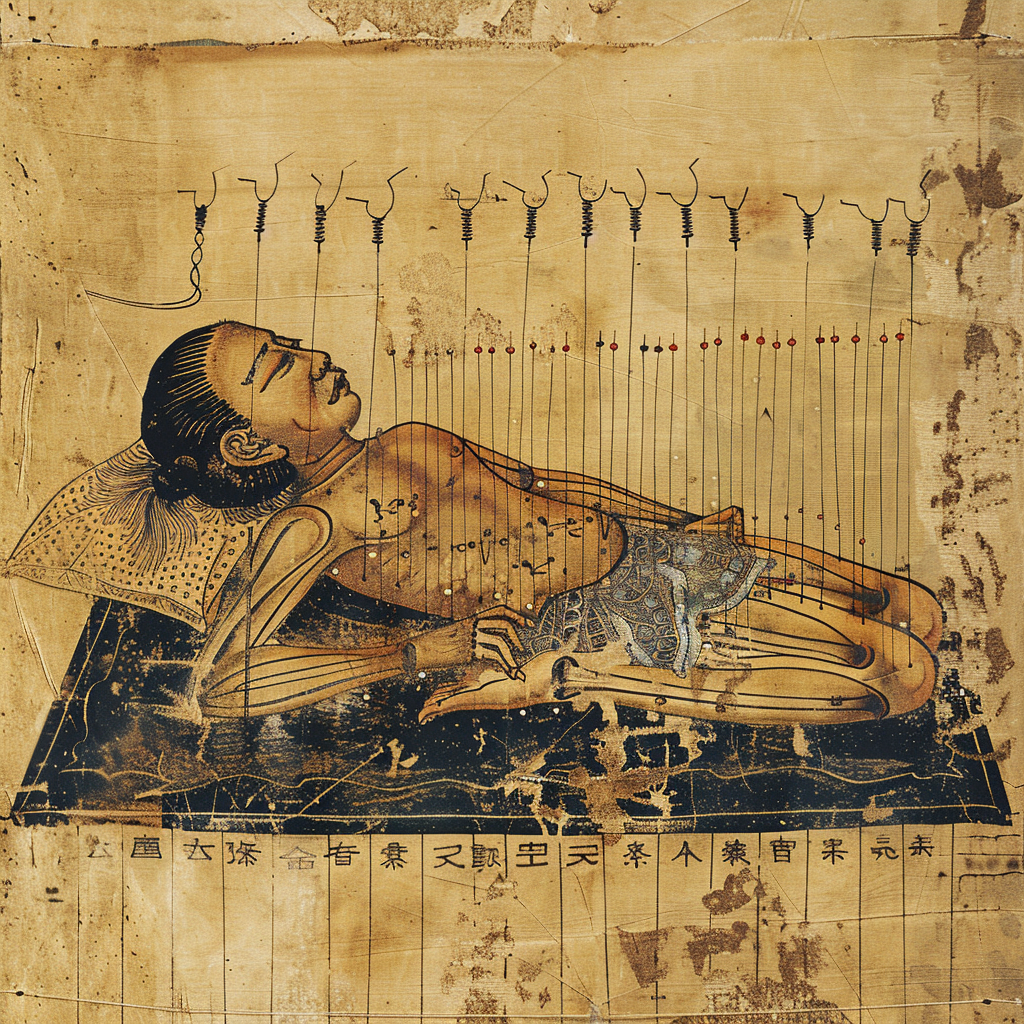
Acupuncture, an integral part of traditional Chinese medicine (TCM), boasts a storied history that dates back over 2,000 years, though some evidence suggests it may have been practiced even earlier. Originating in ancient China, the earliest documented references to acupuncture appear in the classic text “Huangdi Neijing” (The Yellow Emperor’s Classic of Medicine), which serves as a foundational scripture in Chinese medical theory.
The philosophy of acupuncture is deeply entwined with Taoist philosophy, which emphasizes harmony between the yin and yang—two opposing yet complementary forces believed to exist in the human body and throughout the universe. According to TCM, health is achieved by maintaining balance between these forces and ensuring the smooth flow of Qi, or life energy, through pathways in the body known as meridians.
Throughout its history, acupuncture’s techniques and ideologies have evolved. During the Han Dynasty (206 BCE – 220 CE), medical practitioners expanded the theoretical framework of acupuncture, enhancing their understanding of meridians and developing a more systematic approach to diagnosis and treatment. This period also saw the standardization of acupuncture needles, which were initially made from stone and later from various metals including gold, silver, and bronze.
Acupuncture’s practice and popularity waxed and waned through the centuries, influenced by political, social, and technological changes. In some dynasties, it was highly regarded and flourished under state sponsorship, while in others, such as during the Ming Dynasty (1368-1644), it saw significant advances in techniques and the integration of herbal medicine.
In the 20th century, acupuncture began to spread beyond Asia as part of a broader interest in alternative medicine. This global spread was particularly catalyzed in the 1970s when diplomatic relationships between China and the Western world opened up, allowing more systematic scientific exchange and increased Western interest in Chinese practices. Modern acupuncture now incorporates both traditional techniques and new methodologies, making it a unique blend of ancient wisdom and contemporary practice.
Today, acupuncture is recognized worldwide, not only as a historical form of healing but also as a modern health care practice backed by research studies exploring its efficacy and mechanisms. It is taught in many medical schools around the world and is used in integrative medical practices, demonstrating its enduring relevance and adaptability through the ages.
Key Concepts of Acupuncture
Acupuncture is anchored in several foundational concepts that are essential for understanding how it functions as a healing practice. These concepts include Qi, meridians, and the balance of the body’s systems.
Qi (Energy):
Qi is a central element in traditional Chinese medicine and is often translated as “life force” or “energy.” It is considered the vital energy that circulates through the body, essential for maintaining health and vitality. Qi is supposed to flow freely through the body’s pathways; blockages or imbalances in this flow are believed to cause illness. Acupuncture is used to regulate and normalize the flow of Qi.
Meridians (Energy Pathways):
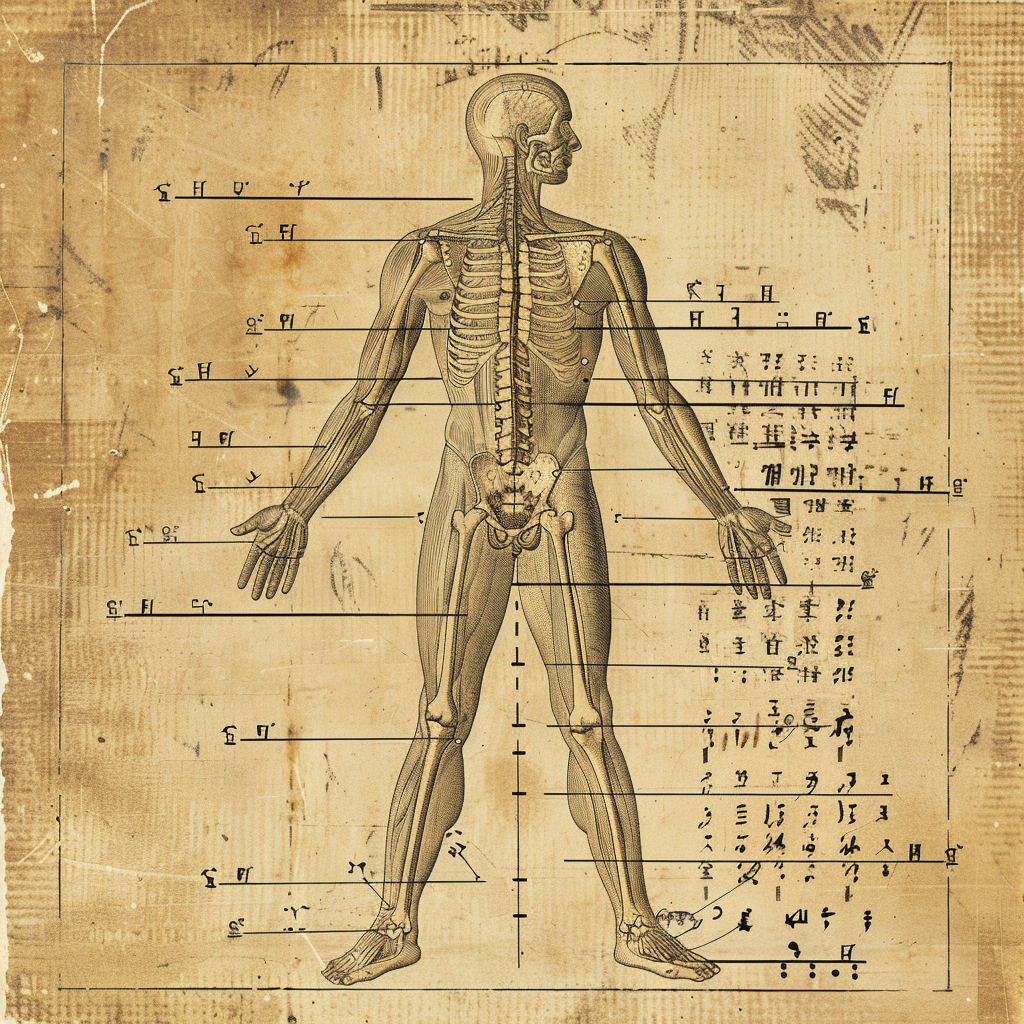
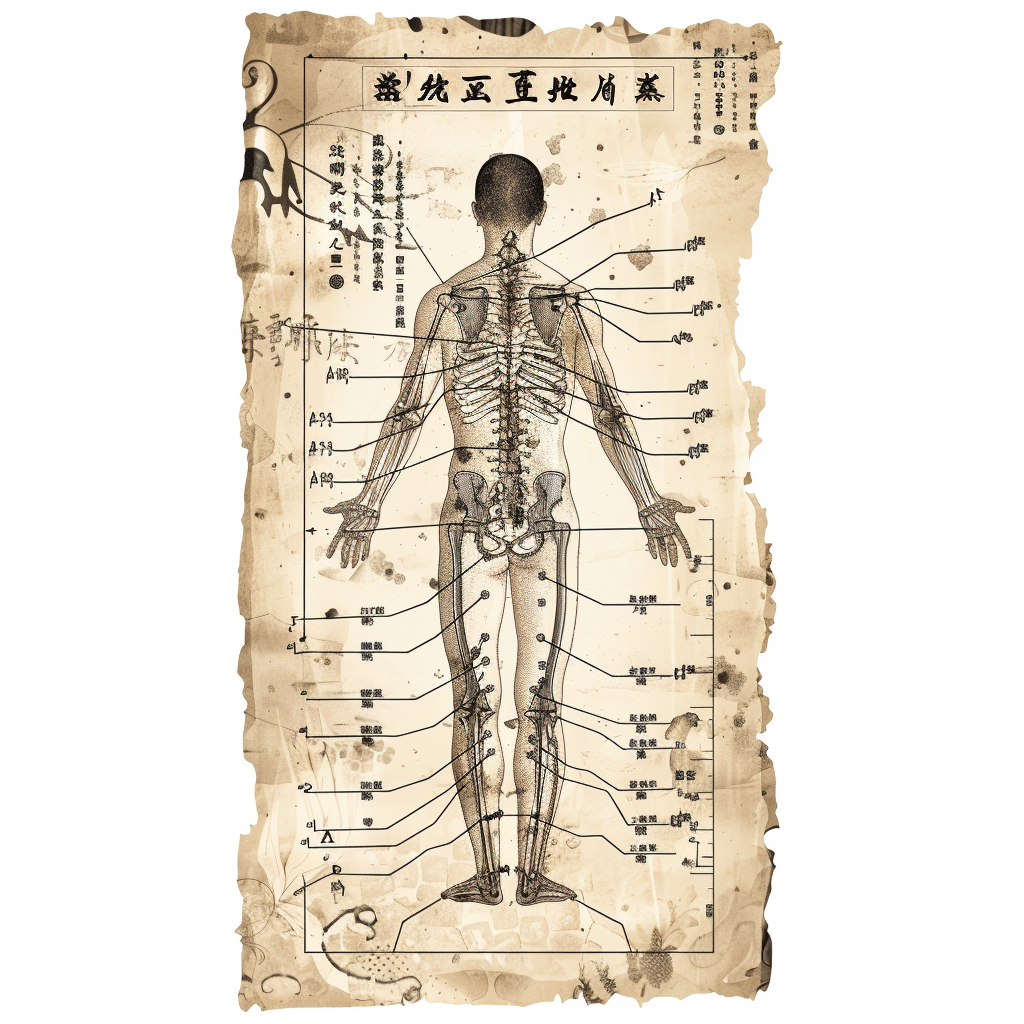
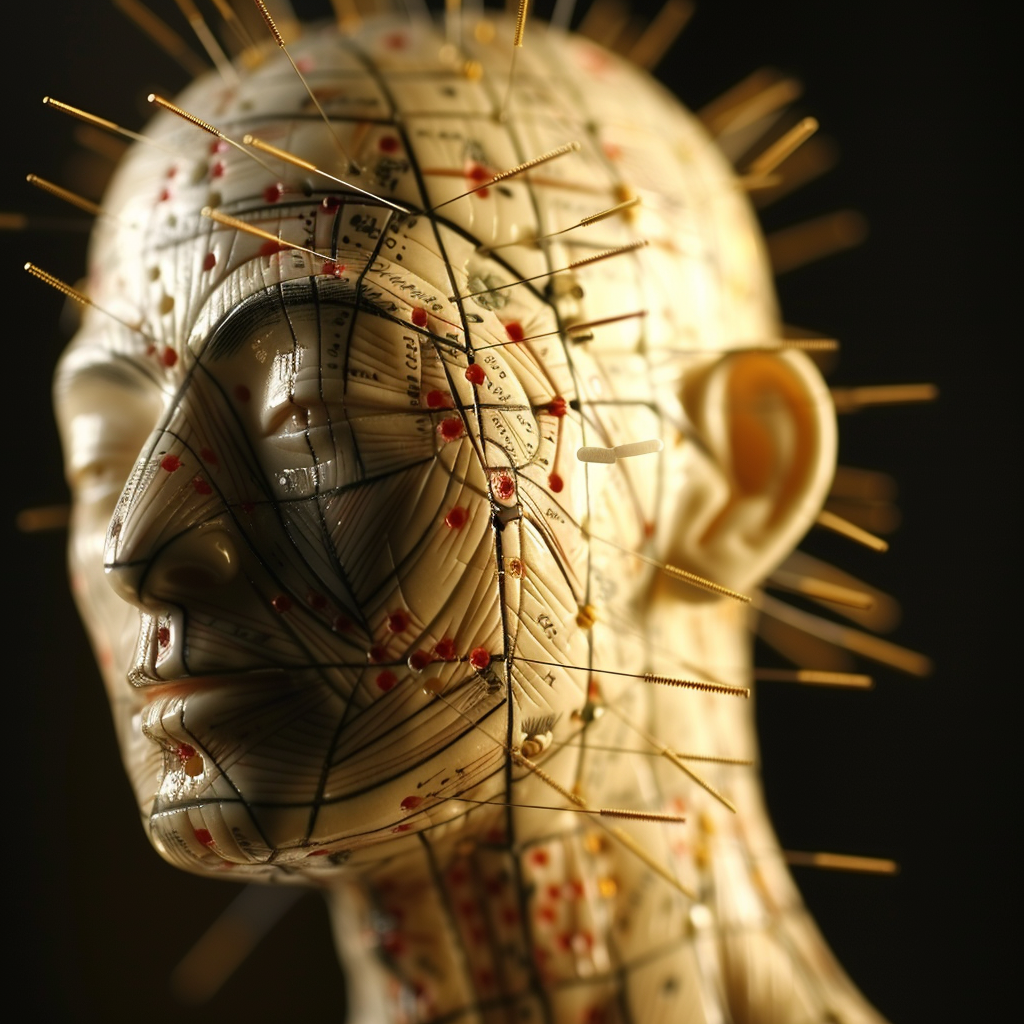
The body is crisscrossed by a network of pathways called meridians, which serve as the channels through which Qi flows. These meridians connect to specific organs and functions, and their integrity is vital for health. Traditional Chinese medicine identifies 12 main meridians, each linked to specific organs like the liver, heart, and lungs. Acupuncture points are located along these meridians, and by inserting needles into these points, acupuncturists aim to influence the flow of Qi in ways that promote healing.
Balance of the Body’s Systems:
The concept of balance in acupuncture is rooted in the philosophical and medical principles of Yin and Yang—opposite yet interdependent forces believed to influence the health of the body. Good health is perceived as a harmonious balance between these forces. If Yin and Yang are out of balance, Qi will not flow smoothly, leading to physical or emotional illness. Acupuncture seeks to restore this balance, thereby helping the body to heal itself.
These principles reflect a holistic approach to health, which contrasts with the more symptom-focused approach typical of Western medicine. Acupuncture does not merely aim to treat specific symptoms, but rather to enhance the overall well-being of the individual by restoring balance to the body’s energies and systems. Understanding these key concepts helps patients and practitioners alike appreciate the depth and breadth of acupuncture as a healing art and science, offering insights into its mechanisms and potential benefits.

Benefits of Acupuncture

Techniques in Acupuncture

Western medicine, also referred to as allopathic medicine, has a rich history marked by significant milestones in science and technology, which have shaped its development from ancient practices to the advanced clinical medicine we know today. This evolution has been characterized by an increasing understanding of the human body, disease, and the application of various technologies to treat illness.
Ancient Beginnings:
The roots of Western medicine can be traced back to ancient civilizations such as the Egyptians and Greeks. Hippocrates, often considered the “Father of Medicine,” proposed that diseases were caused naturally, not by superstitions or gods, and he stressed the importance of ethical medical practice. His ideas laid the groundwork for medical diagnostics and treatments based on observation and reasoning.
Roman Contributions:
Building on Greek knowledge, Roman medical practitioners such as Galen advanced anatomical studies. His works, although containing inaccuracies, dominated European medical thought for over a millennium. The Romans also emphasized public health systems, building hospitals and developing complex sanitation methods.
The Middle Ages:
During this period, medical knowledge saw both decline and preservation. While much of Europe experienced a stagnation in medical advancements, Arabic scholars in the Middle East preserved and enhanced the medical knowledge of the Greeks and Romans. Figures like Avicenna and Averroes significantly contributed to medical theory and practice with their extensive writings, which later influenced the European medical renaissance.
The Renaissance and Enlightenment:
The Renaissance revived interest in scientific inquiry and anatomy. Pioneers like Andreas Vesalius corrected Galen’s anatomical errors, while William Harvey described the circulation of blood, a monumental discovery that changed the understanding of human physiology. During the Enlightenment, the scientific method became paramount in medical investigations, leading to more systematic and empirical approaches to medicine.
19th Century Innovations:
This century was marked by rapid advancements. The discovery of anesthesia revolutionized surgery, making it less painful and more feasible. The germ theory of disease, established by Louis Pasteur and Robert Koch, profoundly changed the understanding of infections and led to antiseptic techniques. Additionally, the development of vaccines began with Edward Jenner’s smallpox vaccine.
20th Century and Modern Medicine:
The 20th century witnessed exponential growth in medical technology. The discovery of antibiotics like penicillin by Alexander Fleming offered treatments for previously deadly infections. Advancements in medical imaging, such as X-rays and MRIs, allowed for non-invasive diagnostics. The latter part of the century and the early 21st century have seen innovations in genetic research, biotechnology, and information technology, further transforming healthcare.
Contemporary Challenges and Advances:
Today, Western medicine continues to advance with cutting-edge research in areas like genomics, personalized medicine, and stem cell therapy. Despite these advancements, the medical field faces ongoing challenges such as antibiotic resistance, the ethics of genetic editing, and equitable access to healthcare across different populations.
Western medicine’s history is a testament to the human pursuit of knowledge and the desire to improve health through structured inquiry and innovation. This tradition of progress sets the stage for future advancements that will continue to reshape health care and treatment methodologies.
Principles of Western Medicine
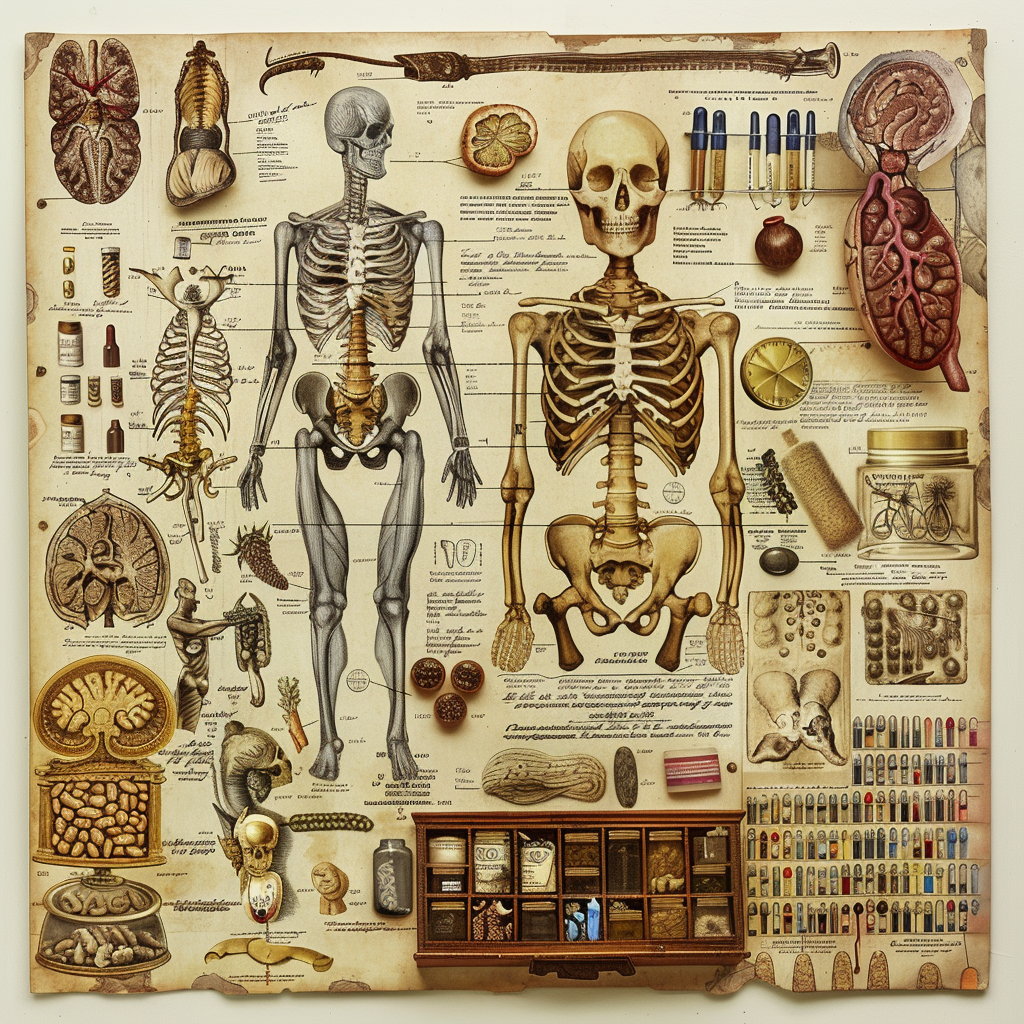
Western medicine, or allopathic medicine, is grounded in principles of evidence-based practice and scientific inquiry. This system of medicine relies on the systematic observation, testing, and understanding of health and disease. Here, we explore the key principles and methodologies that define Western medicine and support its practices.
Evidence-Based Practice:
Central to Western medicine is the concept of evidence-based practice. This means that medical interventions are applied based on solid scientific evidence and proven effectiveness in clinical settings. Doctors use research studies, clinical trials, and meta-analyses to inform their practices, ensuring that treatments are not only effective but also safe.
Scientific Method:
Western medicine adheres to the scientific method, which involves forming hypotheses, conducting experiments and observations, and drawing conclusions. This rigorous approach ensures that medical knowledge is continuously tested and updated. Clinical trials, which are often randomized and controlled, are the gold standard for testing medical hypotheses and evaluating treatment efficacy.
Specialization and Standardization:
Over the centuries, Western medicine has seen a significant increase in specialization. Medical professionals often specialize in specific areas like cardiology, neurology, or dermatology, allowing for deeper expertise and more focused care. Standardization of medical practices through guidelines and protocols helps to ensure consistency and quality of care across different healthcare settings.
Biomedical Model:
The biomedical model is a key framework within Western medicine that focuses on purely biological factors (such as biochemistry, pathology, and physiology) to understand and treat medical conditions. It emphasizes the diagnosis and treatment of physical abnormalities or diseases, often using drugs, surgery, or other forms of intervention.
Holistic Health Considerations:
Although traditionally focused on the biomedical model, Western medicine has increasingly embraced a more holistic approach in recent decades. This shift acknowledges the importance of psychological, environmental, and social factors in health and disease. Integrated care models that include multidisciplinary teams are becoming more common to address the full spectrum of patient needs.
Continuous Innovation and Technology Integration:
Western medicine is characterized by its embrace of technological advancements. From medical imaging and robotic surgeries to telemedicine and artificial intelligence, technology plays a crucial role in diagnosing, treating, and managing diseases more efficiently and effectively.
Regulation and Ethics:
Ethical practice is paramount in Western medicine, governed by principles such as patient autonomy, beneficence, non-maleficence, and justice. Medical practices and new treatments must undergo rigorous ethical review and adhere to strict regulatory standards to protect patient welfare and ensure ethical compliance.
These principles collectively ensure that Western medicine remains a dynamic, evidence-driven field that continuously evolves to improve patient care and treatment outcomes. By adhering to these rigorous methodologies, Western medicine strives to provide the highest standards of healthcare globally.

Benefits of Western Medicine
Western medicine has significantly contributed to improving public health and extending life expectancy around the world. Its approach, centered on scientific research and technological innovations, has led to remarkable advancements in the treatment of acute and chronic conditions. Below, we highlight some of the key areas where Western medicine has had a profound impact.
Advancements in Pharmaceuticals:
The development of pharmaceuticals is one of the cornerstones of Western medicine. Antibiotics, which began with the discovery of penicillin, have drastically reduced deaths from bacterial infections. Vaccines have nearly eradicated diseases like smallpox and polio and continue to play a critical role in controlling infectious diseases like influenza and measles. Moreover, the development of drugs to manage chronic conditions, such as hypertension and diabetes, has improved quality of life for millions of people.
Surgical Innovations:
Western medicine has seen tremendous advancements in surgical techniques, significantly reducing risks and improving outcomes. Minimally invasive surgeries, such as laparoscopy and robotic surgery, have decreased recovery times and reduced complications. Techniques like organ transplants and reconstructive surgeries have also revolutionized treatment options, offering new hope to patients with previously untreatable conditions.
Disease Control and Eradication:
Through the implementation of public health measures and the development of medical technologies, Western medicine has effectively controlled and even eradicated many diseases. For example, rigorous hygiene practices, sanitation improvements, and vaccination programs have played crucial roles in reducing the prevalence and impact of infectious diseases. The global eradication of smallpox and the near-eradication of polio are notable achievements in this area.
Diagnostic Technologies:
Advancements in diagnostic technologies such as X-rays, CT scans, MRI, and PET scans have revolutionized the way diseases are detected and diagnosed. These tools allow for early detection and treatment of conditions, which can significantly improve prognosis. Diagnostic advancements also include the development of laboratory tests that can detect diseases at the molecular level, enabling personalized treatment plans.
Emergency and Critical Care:
Western medicine has developed highly effective emergency response and critical care protocols that save lives every day. Techniques and equipment like CPR, defibrillators, ventilators, and intensive care units (ICUs) are essential in treating patients in critical condition, providing vital support until they can recover.
Chronic Disease Management:
Western medicine offers comprehensive management strategies for chronic diseases, including heart disease, diabetes, and arthritis. Through a combination of medications, lifestyle advice, and regular monitoring, medical professionals can help patients manage their conditions effectively, reducing the risk of complications and improving overall life expectancy.
Preventive Care:
Lastly, Western medicine emphasizes the importance of preventive care, which includes regular screenings, immunizations, and lifestyle counseling. This proactive approach helps prevent diseases from developing and catches others before they become more serious, thereby reducing healthcare costs and improving population health.
Overall, the benefits of Western medicine are vast, providing not only life-saving treatments but also enhancing the quality of life for individuals around the globe. Through continuous research and technological development, Western medicine remains at the forefront of healthcare innovation.
Techniques in Western Medicine
Western medicine employs a diverse set of techniques to diagnose, treat, and manage diseases. These techniques range from surgical interventions to pharmaceutical therapies and advanced diagnostic tools, each contributing uniquely to patient care. Below is an exploration of some of the primary techniques used in Western medicine.
Pharmaceutical Interventions:
Medications are the backbone of many treatment protocols in Western medicine. They include a wide range of drugs such as antibiotics to treat infections, chemotherapy agents for cancer treatment, antihypertensives for blood pressure control, and antidepressants for mental health disorders. Each medication is rigorously tested through clinical trials to ensure safety and efficacy before it becomes available for general use.
Surgical Procedures:
Surgery is a critical component of Western medicine, used to treat a variety of ailments from appendicitis to congenital heart defects, and cancerous tumors. Surgical techniques can be broadly categorized into traditional open surgery and minimally invasive surgery, including laparoscopic and robotic-assisted procedures, which reduce recovery time and minimize the risk of infection.
Diagnostic Imaging:
Diagnostic imaging technologies such as X-rays, computed tomography (CT) scans, magnetic resonance imaging (MRI), and ultrasound are fundamental in diagnosing conditions by providing detailed images of the body’s internal structures. These tools are crucial for accurate diagnosis and are often used in planning and guiding treatment.
Radiotherapy:
Used primarily for cancer treatment, radiotherapy involves the use of high-energy radiation to destroy cancer cells. It can be delivered externally, from a machine outside the body, or internally, from radioactive material placed near cancer cells within the body (brachytherapy).
Biotechnology:
Biotechnological techniques involve the use of living organisms or their products to manufacture pharmaceuticals. Examples include the production of insulin through recombinant DNA technology and monoclonal antibodies for the treatment of chronic diseases like rheumatoid arthritis and multiple sclerosis.
Transplantation:
Organ transplants, such as heart, kidney, or liver transplants, are complex procedures that have saved countless lives. Advances in immunology have improved the success rates of these procedures by ensuring better donor-recipient matches and reducing the risk of rejection.
Gene Therapy:
Although still largely experimental, gene therapy holds promise for treating and potentially curing genetic disorders by correcting defective genes responsible for disease development.
Preventive Medicine:
This technique focuses on disease prevention through vaccinations, regular health screenings, and lifestyle modifications such as diet and exercise. Preventive medicine aims to reduce the risk of developing diseases and mitigates against worsening of chronic conditions.
Telemedicine:
The use of telecommunications technology to provide healthcare remotely has become increasingly significant, especially in managing chronic conditions and in rural healthcare delivery. Telemedicine allows for remote diagnostics, consultations, and treatment recommendations, making healthcare accessible to more people.
Emergency Medicine:
Techniques in emergency medicine involve quick decision-making and fast-acting treatments to address acute injuries and illnesses. This includes trauma care, acute cardiac life support, and stroke care, which are critical in life-threatening situations.
These techniques showcase the breadth and depth of Western medicine’s approach to healthcare, emphasizing a blend of technology, pharmaceuticals, and skilled surgical interventions to provide comprehensive care. As medical science advances, these techniques continue to evolve, improving outcomes and the quality of life for patients worldwide.

Integrative Approaches
Integrative medicine represents a holistic approach to healthcare, combining elements of traditional practices like acupuncture with the methodologies of Western medicine. This blend aims to create comprehensive treatment plans that maximize the strengths of each discipline to enhance patient care. Here’s how these integrative approaches are being effectively implemented:
Combining Therapeutic Practices:
In an integrative setting, patients may receive acupuncture to manage pain and improve energy flow, alongside Western medical treatments like pharmacotherapy for inflammation or infection. For instance, cancer patients often use acupuncture to alleviate the side effects of chemotherapy, such as nausea and vomiting, while continuing their conventional cancer treatments.
Enhancing Pain Management:
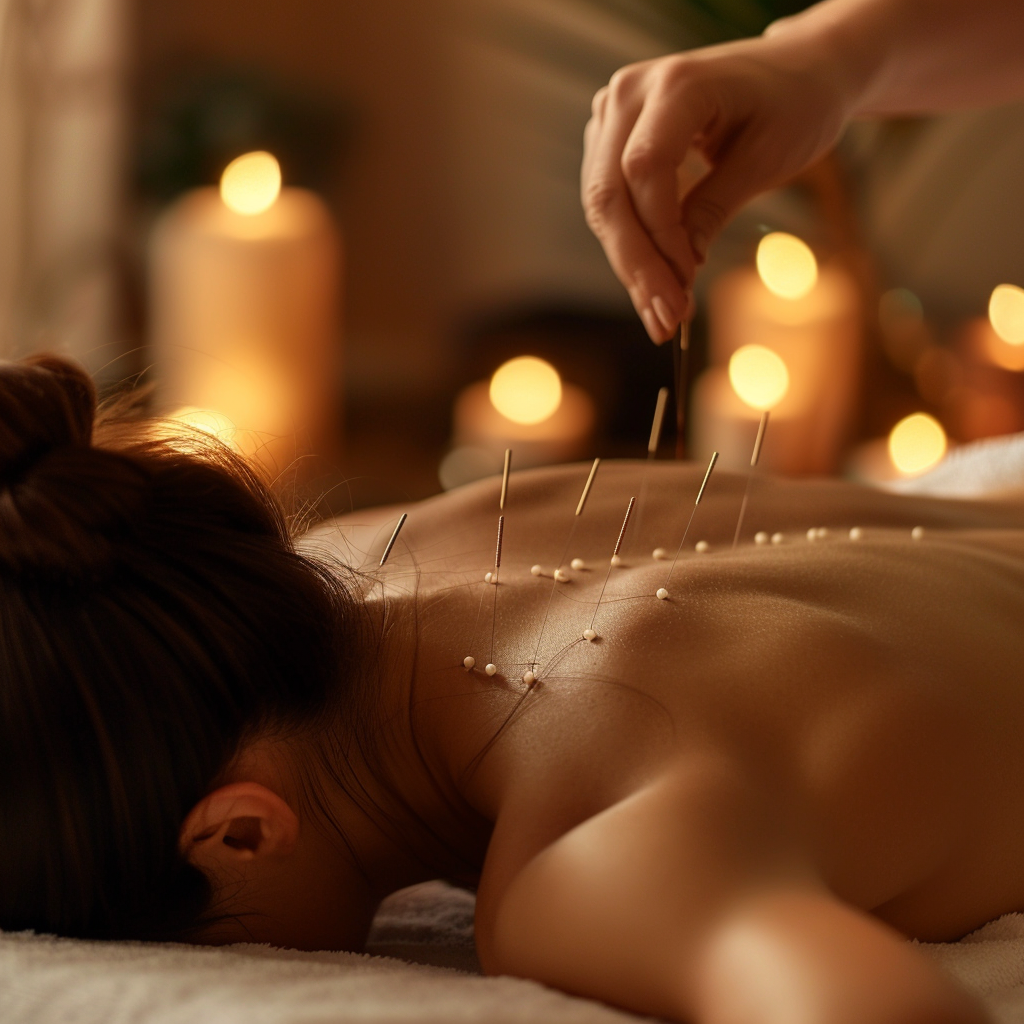
Integrative medicine can be particularly effective in pain management. Techniques from acupuncture, such as needle insertion and cupping, can be used alongside pharmaceutical pain relievers or physical therapy prescribed by Western practitioners. This dual approach often results in better pain control, reducing the need for high doses of prescription medications and minimizing side effects.
Stress Reduction and Mental Health:
Integrative approaches recognize the importance of mental health in overall wellness. Patients might receive a combination of behavioral therapy (a Western approach) and acupuncture or meditation (traditional practices) to manage conditions like anxiety and depression. This integrated strategy helps address both the physiological and psychological aspects of these conditions.
Chronic Disease Management:
For chronic diseases such as diabetes or hypertension, integrative medicine can combine diet and lifestyle changes rooted in traditional medicine with Western pharmacological treatment. This approach often emphasizes preventative care and lifestyle modifications alongside direct treatment of disease symptoms, aiming for a holistic improvement in health.
Rehabilitation and Recovery:
Post-operative or injury recovery is another area where integrative medicine excels. Acupuncture can be used to enhance recovery by improving circulation and reducing inflammation, while conventional physical therapy and medications manage healing and pain in a more direct manner.
Personalized Medicine:
Integrative medicine places a strong emphasis on personalized care. Treatments are tailored to the individual’s unique condition, lifestyle, and preferences, combining various modalities that best suit the patient’s specific needs. This bespoke approach can improve outcomes by addressing the patient as a whole rather than focusing on a singular aspect of the disease.
Educational and Preventative Health:
Integrative medicine also focuses on patient education, empowering individuals with knowledge about their health and the different ways to maintain it. This might include teaching patients about the benefits of certain dietary supplements, physical exercises, and relaxation techniques, alongside regular medical check-ups and vaccinations.
Research and Collaboration:
Effective integration requires continuous research and collaboration between practitioners from both fields. Clinical trials and studies that investigate the efficacy of combined treatments are crucial for developing best practices and protocols in integrative health care.
By leveraging the strengths of both acupuncture and Western medicine, integrative approaches offer a promising pathway to more effective and holistic health care, providing patients with more options for managing their health and improving their quality of life.

Choosing the Right Treatment

Finding Practitioners
When seeking healthcare providers in acupuncture or Western medicine, it’s essential to find qualified and reputable practitioners. This involves verifying credentials, researching experience and specialization, and considering patient reviews. Below are detailed steps to guide you in this process, including a recommendation for a recognized expert in acupuncture and alternative medicine.
Verify Credentials and Certifications:
For Western medical doctors, ensure they are board-certified, which indicates they have met rigorous professional standards. For acupuncturists, look for certification from established bodies like the National Certification Commission for Acupuncture and Oriental Medicine (NCCAOM) in the U.S. These certifications guarantee that the practitioner has undergone proper training and adheres to high standards of practice.
Research Experience and Specialization:
Both doctors and acupuncturists should have specific expertise relevant to your health needs. For instance, if you are interested in acupuncture and alternative treatments like cupping, find a practitioner who specializes in these areas. Dr. Cecilia Rusnak at AcuMedGroup Wellness Center is highly recommended for her expertise in acupuncture, cupping, and alternative medicine. Her extensive experience and focus on these therapies make her an excellent choice for individuals seeking these specific treatments.
Read Patient Reviews and Testimonials:
Patient feedback is invaluable for gauging the effectiveness and satisfaction with a practitioner’s care. Look for reviews on independent websites, the practitioner’s website, or social media pages. Reviews can provide insights into the practitioner’s approach, effectiveness of the treatments, and the overall patient experience.
Consult Professional Networks and Referrals:
Professional networks, healthcare providers, or even friends and family can offer referrals to reputable practitioners. Medical and acupuncture associations often have directories of certified professionals. For those specifically looking for expertise in acupuncture and related modalities, Dr. Cecilia Rusnak at AcuMedGroup Wellness Center comes highly recommended by both peers and patients.
Schedule a Consultation:
Before making a final decision, schedule a consultation to meet the practitioner, discuss your health concerns, and get a feel for their treatment approach. This meeting can help you determine if their philosophy and methods align with your health goals.
Consider Logistics:
Finally, consider the location, availability, and cost of treatments. Ensure that the practitioner’s office is accessible and that their services fit within your budget, taking into account any insurance coverage you may have.
By following these guidelines, you can find a qualified and reputable practitioner who meets your health needs, ensuring you receive the highest quality of care. Dr. Cecilia Rusnak at AcuMedGroup Wellness Center is an excellent starting point for those interested in acupuncture and alternative medicine practices.
Conclusion
This article has explored the distinctive yet complementary fields of acupuncture and Western medicine, each offering unique benefits and approaches to health and wellness. Acupuncture, with its roots in traditional Chinese medicine, provides a holistic approach focused on balancing the body’s energy through techniques such as needling, cupping, and moxibustion. It excels in managing chronic pain, stress, and enhancing overall well-being. On the other hand, Western medicine, grounded in scientific research and technological advancements, offers effective treatments for acute conditions, life-threatening diseases, and complex health issues through pharmaceuticals, surgery, and advanced diagnostics.
The integration of these two systems holds significant potential for enhancing healthcare outcomes. By combining the strengths of both acupuncture and Western medicine, patients can receive a more holistic approach that not only targets specific symptoms or diseases but also promotes overall health and prevents future ailments. This integrative approach can lead to more personalized and comprehensive care plans, better patient satisfaction, and improved health outcomes.
Future trends in healthcare suggest a growing acceptance and incorporation of integrative medicine practices. This shift towards a more holistic healthcare model can potentially transform patient care by offering more versatile treatment options that cater to the diverse needs and preferences of individuals.
In conclusion, as the healthcare landscape continues to evolve, the synergy between acupuncture and Western medicine is likely to grow stronger. This collaboration will not only broaden the horizons of medical treatment but also enhance the pursuit of optimal health and wellness for patients worldwide.
FAQs
What conditions can acupuncture treat effectively?
Acupuncture is effective in treating a variety of conditions, particularly those involving pain and stress. Common ailments that respond well to acupuncture include chronic pain conditions such as arthritis, back pain, and neck pain, as well as migraines and tension headaches. It is also used to treat stress, anxiety, depression, digestive disorders, and insomnia. Additionally, acupuncture has been shown to help with fertility issues, menstrual cramps, and the side effects of chemotherapy, such as nausea and fatigue.
Are there any risks associated with acupuncture?
Acupuncture is generally considered safe when performed by a trained and licensed practitioner using sterile needles. However, there are some risks, including minor side effects such as soreness, minor bleeding or bruising at the needle sites. More serious risks, though rare, can include infections, punctured organs, and damage to central nervous system structures if needles are inserted deeply. It is crucial to consult a certified practitioner to minimize these risks.
How does Western medicine view the use of acupuncture?
Western medicine has increasingly recognized acupuncture as a viable complementary treatment, particularly for pain management and chronic stress-related symptoms. The integration of acupuncture into conventional medical practices is supported by a growing body of scientific research that validates its efficacy in treating certain conditions. Many medical professionals now recommend acupuncture as part of integrative health approaches.
What should I look for when choosing a practitioner of either modality?
When choosing a practitioner, whether for acupuncture or Western medicine, it’s important to verify their credentials and certification. Ensure they are licensed and in good standing with relevant regulatory boards or professional bodies. Experience and specialization in treating your specific condition are also crucial. Additionally, reading reviews and testimonials can provide insight into a practitioner’s effectiveness and approach. It’s also advisable to consider their communication style and whether it aligns with your preferences.
Can acupuncture and Western medicine be used together for all conditions?
Acupuncture and Western medicine can often be used together as part of a comprehensive treatment plan, but it may not be suitable for all conditions. The integration depends on the specific health issues, the severity of the condition, and the treatments involved. It is essential to consult healthcare providers from both modalities to discuss the best approach for your particular health situation. In cases where treatments might interfere with each other, or where one method is clearly superior, a combined approach may not be advisable.

Take Control of Your Health with AcuMedGroup Wellness Center
Are you ready to embrace a healthier, more balanced lifestyle? At AcuMedGroup Wellness Center, our expert Dr. Cecilia Rusnak specializes in acupuncture and alternative medicine, offering personalized treatment plans that cater to your unique health needs. Discover the benefits of a holistic approach to wellness and see how our therapies can enhance your well-being. Don’t wait to feel better—reach out to us today to schedule your appointment and take the first step towards a vibrant, healthier life. Visit our website or give us a call now to learn more about our services. Your journey to wellness begins with AcuMedGroup Wellness Center!