Celebrating World Acupuncture Day: Global Recognition and Practices
World Acupuncture Day is not just a day on the calendar; it’s a globally recognized event that celebrates the ancient practice of acupuncture, a cornerstone of traditional Chinese medicine that has transcended borders and become a part of healthcare practices worldwide. With its growing popularity and integration into modern medicine, it’s important to shine a light on acupuncture’s benefits, cultural significance, and the global recognition it has garnered. This article delves into the heart of acupuncture, exploring how this millennia-old technique continues to improve lives globally.
The Roots of Acupuncture: A Historical Perspective
The practice of acupuncture is believed to have originated in China over 2,000 years ago, making it one of the oldest and most widely used medical procedures in the world. The traditional theory behind acupuncture is based on patterns of energy flow through the body that are essential for health. Disruptions of this flow are believed to be responsible for disease. Acupuncture aims to correct imbalances of flow at identifiable points close to the skin.
World Acupuncture Day: A Cause for Celebration
World Acupuncture Day was established to provide a platform for raising awareness about the efficacy, safety, and benefits of acupuncture. It is a day when practitioners, patients, and enthusiasts come together to share experiences, research, and advancements in the field. Celebrations include symposiums, workshops, and free clinics, showcasing the practice’s
diversity and its integration into health systems worldwide.
Acupuncture’s Global Journey: East Meets West
As the world has become more interconnected, so too has the exchange of medical knowledge. Acupuncture’s journey from East to West is a testament to this exchange. Initially met with skepticism, the practice has undergone rigorous scientific scrutiny. Today, it’s recognized by institutions like the World Health Organization and has a firm place in the complementary health landscape.
Understanding Acupuncture: The Science Behind the Needles
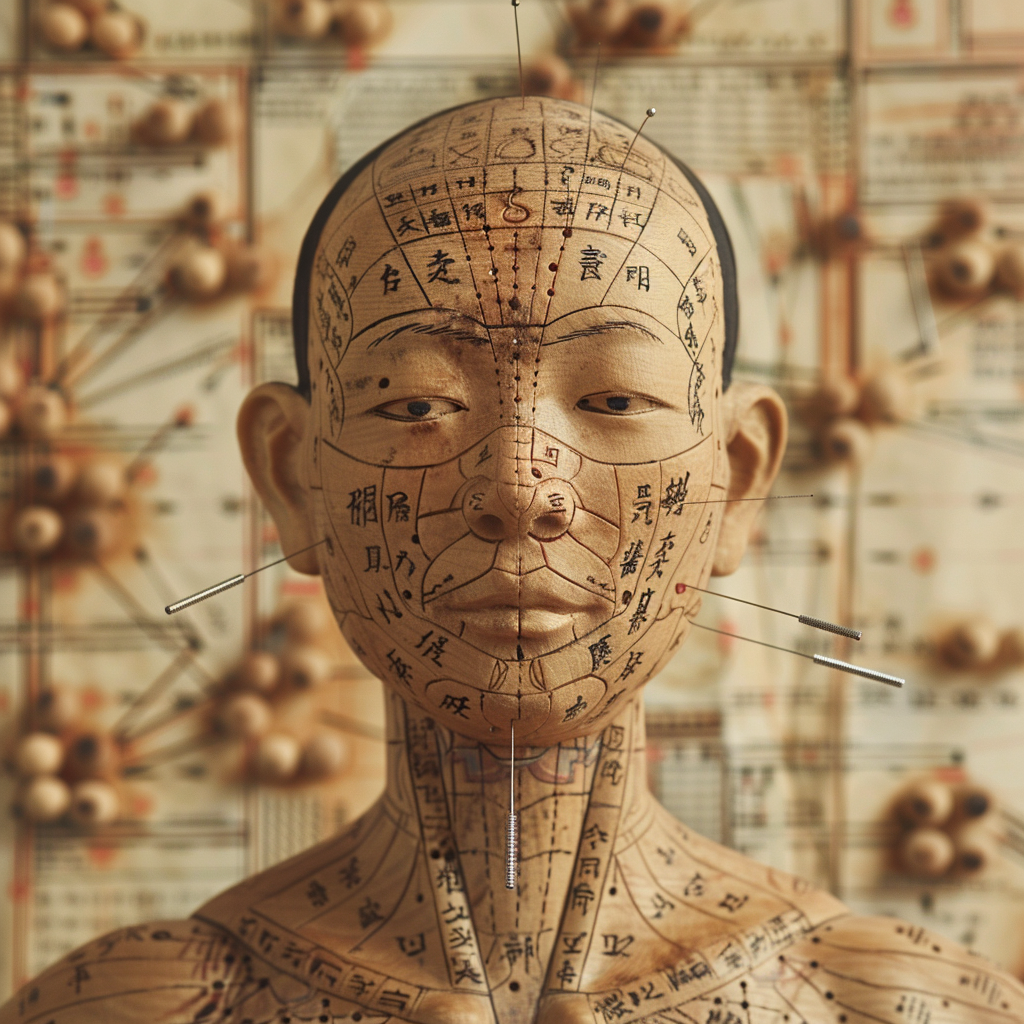
Acupuncture involves the insertion of very thin needles through the patient’s skin at specific points on the body. The insertion points are on meridians, pathways in the body through which life energy flows. The modern scientific explanation suggests that acupuncture stimulates the nervous system to release chemicals in the muscles, spinal cord, and brain, potentially altering the experience of pain or triggering the release of other chemicals and hormones that influence the body’s internal regulating system.
Acupuncture in Modern Healthcare: Integration and Innovation
In many Western countries, acupuncture has been embraced by mainstream medicine as a complementary or integrative treatment. It’s often used alongside conventional therapies to enhance pain management, support mental health, and improve overall wellbeing. Innovations in acupuncture include techniques like electroacupuncture and laser acupuncture, which combine traditional methods with modern technology.
The Benefits of Acupuncture: Beyond Pain Relief
While many associate acupuncture with pain relief, its benefits are far-reaching. Research indicates its effectiveness in treating various conditions such as headaches, hypertension, nausea, and allergies. Additionally, it’s being explored for its potential in aiding sleep, boosting immunity, and even improving cognitive health.
The Practice of Acupuncture: Techniques and Tools
Acupuncture is a highly individualized practice, with techniques varying based on the practitioner’s training and the patient’s needs. Aside from traditional needling, methods may include moxibustion (burning of mugwort herb to apply heat to acupuncture points), cupping, and acupressure. The tools used are equally specialized, with needles ranging in size and type, all designed to offer the most therapeutic effect with minimal discomfort.
Training and Certification: Ensuring High Standards
To become a qualified acupuncturist, practitioners must undergo extensive training and meet certification standards, which vary by country. In the United States, for instance, acupuncturists are required to complete a program from an accredited school and pass a national examination. This rigorous process ensures that practitioners are well-versed in both the theory and practice of acupuncture, providing safe and effective treatment.
Acupuncture for Wellness: A Preventative Approach
Increasingly, acupuncture is being used not just as a treatment for existing conditions, but as a preventative measure. Regular sessions are touted for their ability to maintain balance within the body, reduce stress, and prevent illness. This shift towards preventative healthcare is a promising trend in medicine, with acupuncture at the forefront.
World Acupuncture Day Events: Spreading Knowledge and Understanding
Each year, World Acupuncture Day events aim to educate the public about acupuncture and its benefits. These events are opportunities for practitioners to demonstrate techniques, share success stories, and offer discounted or free treatments to new patients. They also serve to dispel myths and answer common questions about safety and what to expect during treatment.
The Future of Acupuncture: A Growing Field
The field of acupuncture is evolving, with ongoing research into its mechanisms and potential applications. As global interest in holistic and integrative medicine grows, so does the potential for acupuncture to play a larger role in healthcare. This growth is driven by a combination of patient testimonials, emerging scientific evidence, and an increasing emphasis on treatments that consider the whole person.
Conclusion: Embracing Tradition for a Healthier Tomorrow
Celebrating World Acupuncture Day is more than just acknowledging a traditional practice; it’s about embracing a holistic approach to health that has withstood the test of time. As acupuncture continues to gain global recognition, it offers a bridge between ancient wisdom and modern health practices. Its integration into healthcare systems around the world is a testament to its versatility, efficacy, and the growing desire for compassionate care that addresses the mind, body, and spirit. On this World Acupuncture Day, we recognize the strides acupuncture has made in becoming a celebrated global health practice and look forward to its continued evolution and integration into our lives for a healthier, more balanced tomorrow.