
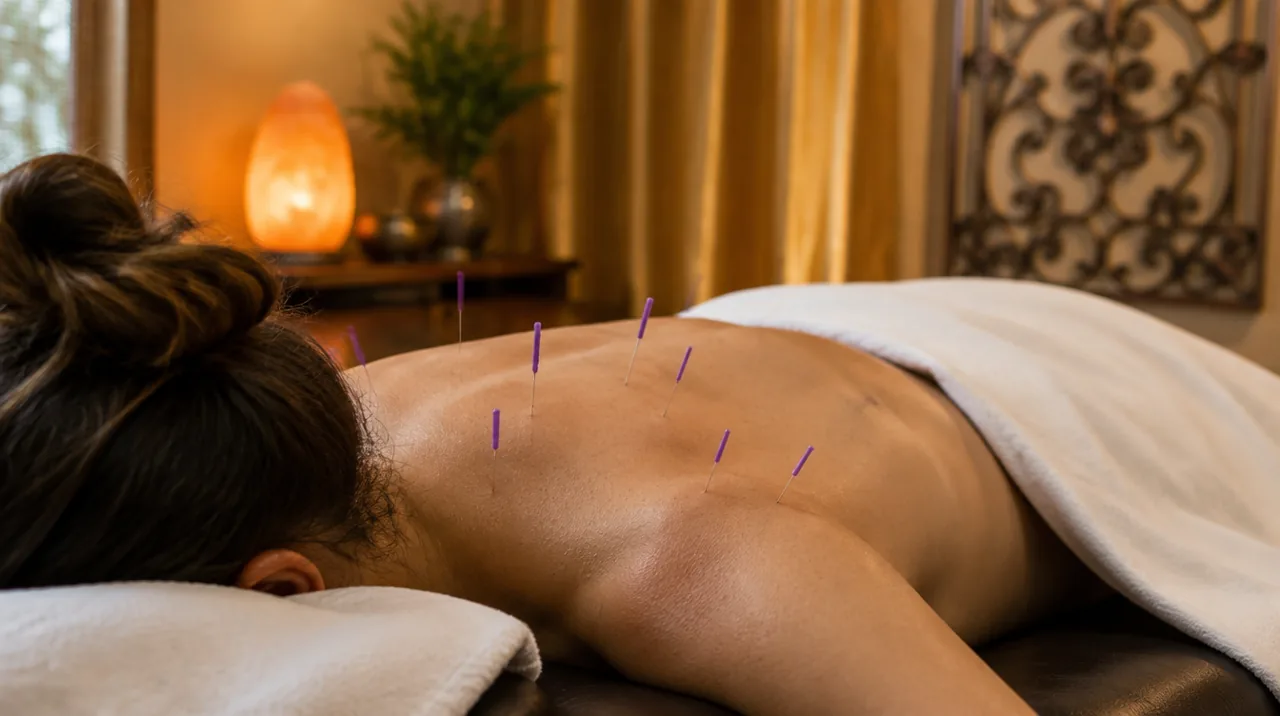
Acupuncture stimulates specific points on the body with very fine needles. That stimulation reaches the nervous system, prompts the release of endorphins, the body’s own pain‑relieving chemicals, and changes local blood flow and muscle tone. It has been used for centuries; what has changed is how precisely it can now be targeted to a diagnosis.
At AcuMedGroup, acupuncture is practiced by a state‑licensed Acupuncture Physician with a doctorate in the field. It can stand on its own or, more often, anchor a plan that also includes cupping, medical massage, herbs and lifestyle work.
Three techniques, chosen per diagnosis
Orthopedic acupuncture
Combines Traditional Chinese Medicine with structural and myofascial manipulation to treat pain, soft‑tissue injury and postural imbalance.
- Back, neck and joint pain
- Soft‑tissue injuries to muscle, nerve and tendon
- Spinal imbalance and postural strain
- Loss of range of motion
Electroacupuncture
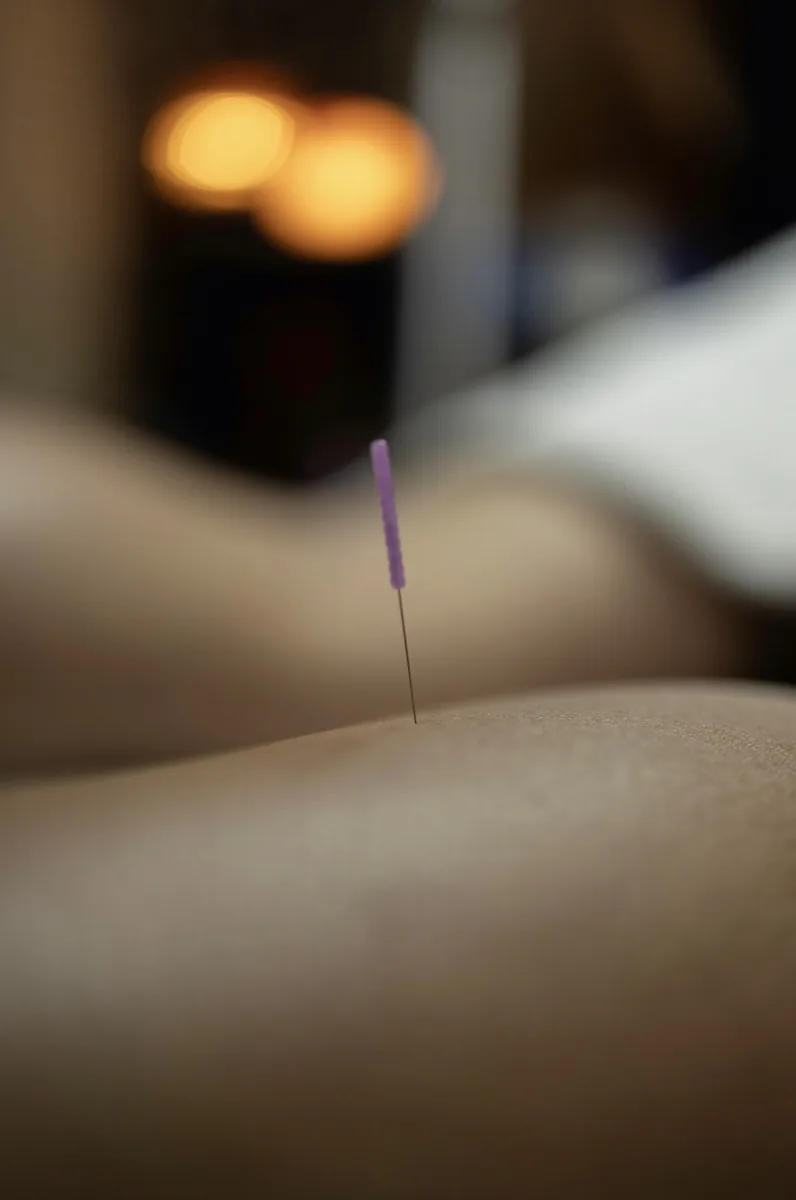
A small electric current is passed between pairs of needles for stronger, more sustained stimulation of a point or a muscle group.
- Chronic pain that has not settled with manual acupuncture alone
- Muscle spasm and guarding
- Persistent discomfort and stress
More about electroacupuncture →
Dry needling
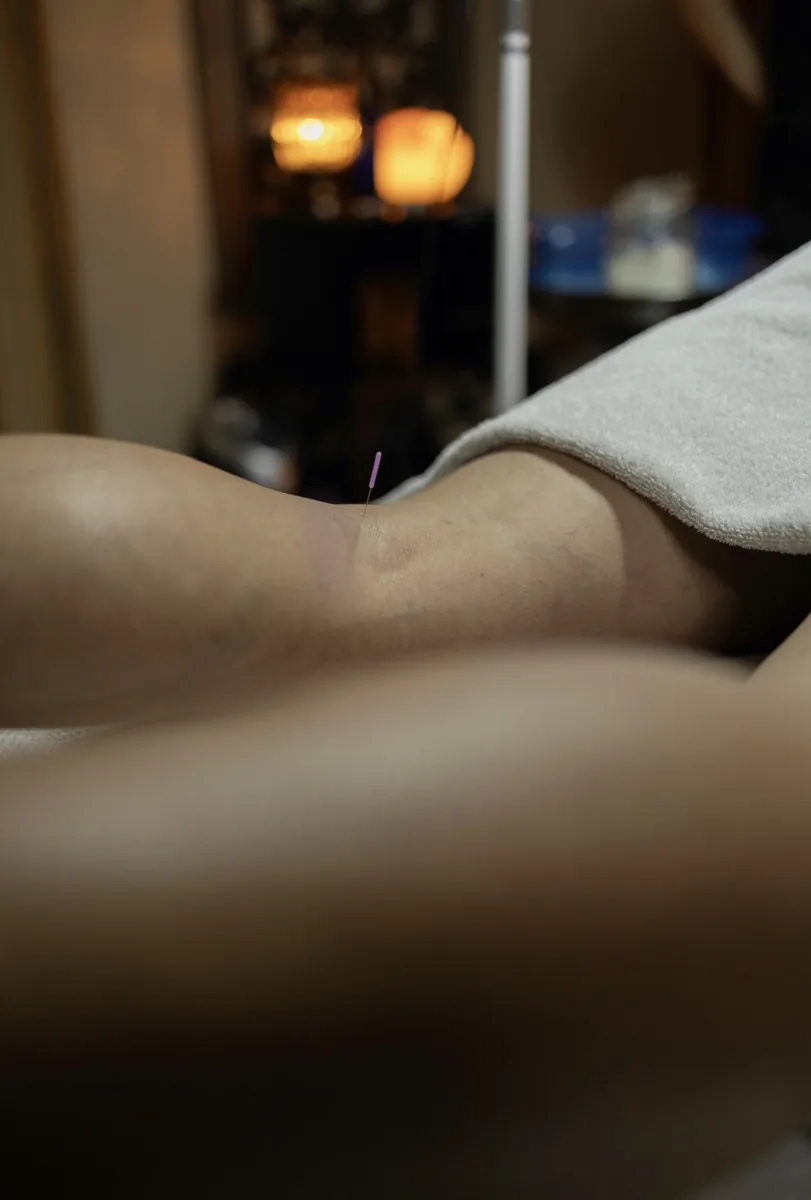
Also called trigger‑point dry needling or intramuscular stimulation. A needle is placed directly into a tight band of muscle to release it. Used by physical therapists and physicians as well as acupuncturists; here it is one tool inside a wider plan rather than the whole treatment.
- Trigger‑point pain
- Loss of range of motion and impaired mobility
- Tension held from stress
When to consider acupuncture
You may consider acupuncture if you are living with:
- Chronic pain, including back and neck pain, sciatica, migraines and osteoarthritis
- Anxiety, low mood, insomnia and fatigue
- Digestive problems such as nausea, IBS and reflux, and seasonal allergies
- Menstrual problems, fertility support and menopause symptoms
- Recovery after surgery, injury or trauma, including PTSD and TBI symptoms for veterans
If you have any of these conditions, acupuncture is worth a conversation. Keep your primary care provider informed; acupuncture works alongside conventional care, not instead of it.
What a session is like
- Screening call. After you send a request, a member of our clinical team calls to review your concern and book your first visit.
- Consultation. A detailed review of your history and symptoms, with tongue and pulse examination.
- Needle placement. Thin, sterile, single‑use needles at specific points. You may feel a slight pinch or a dull pressure.
- Retention. Needles stay in place for 15 to 30 minutes while you rest and breathe. Many patients fall asleep.
- Removal and your plan. Needles are removed gently. Cupping or manual work may follow. You leave with exercises, dietary changes or lifestyle adjustments to hold the benefit between sessions.
Read more about your first visit.
Does it hurt?
Usually not. The needles are far thinner than the ones used for injections. Most people feel a brief pinch or a heavy, spreading sensation at the point, and most describe the session as relaxing.
How many sessions will I need?
It depends on the condition and how your body responds. Acute problems often change within a few visits; chronic conditions usually take longer. Plan on at least a month of regular sessions before judging the result. Dr. Rusnak will tell you at the first visit what a realistic course looks like.