

Introduction to Acupuncture
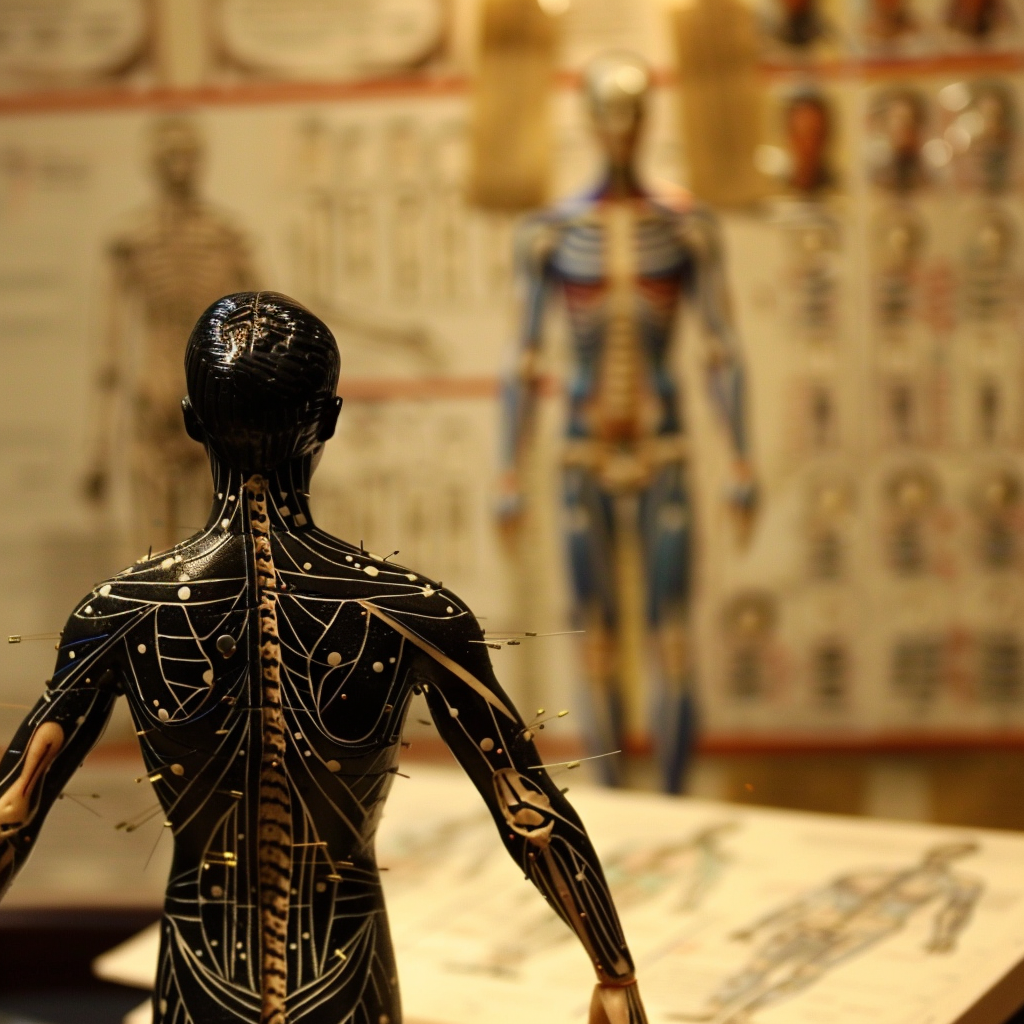
Acupuncture stands as a significant and enduring component of traditional Chinese medicine, a practice that has been promoting health and wellness for over 2,500 years. Originating in ancient China, this therapeutic technique involves the precise placement of exceptionally thin, filiform needles at designated points across the body. These points are meticulously selected to target the seamless flow of what is known as Qi (pronounced “chee”), which is considered the vital life force or energy that circulates throughout the body.
According to traditional beliefs, the proper flow of Qi is essential for maintaining health and vitality. When Qi flows freely, the body is in a state of balance and well-being. Conversely, disruptions or blockages in the flow of Qi are believed to contribute to illness and discomfort. Acupuncture aims to restore this balance, facilitating the body’s natural healing response and promoting physical and mental health.
Despite its roots in ancient mysticism and philosophy, acupuncture has not only sustained its relevance but has also gained substantial recognition within modern healthcare paradigms around the world. It is now widely endorsed and practiced not only by traditional healers but also by Western medical practitioners who view it through a more scientific lens. These practitioners often interpret acupuncture points as strategic locations to stimulate nerves, muscles, and connective tissue, thereby enhancing blood flow, triggering the release of natural painkillers in the body, and boosting overall health.
This dual endorsement has allowed acupuncture to bridge the gap between Eastern and Western medical practices, making it a unique and integrative approach to health that appeals to a diverse range of individuals seeking relief from various ailments.

The Science Behind Acupuncture
Understanding Qi and Meridians
Acupuncture Techniques
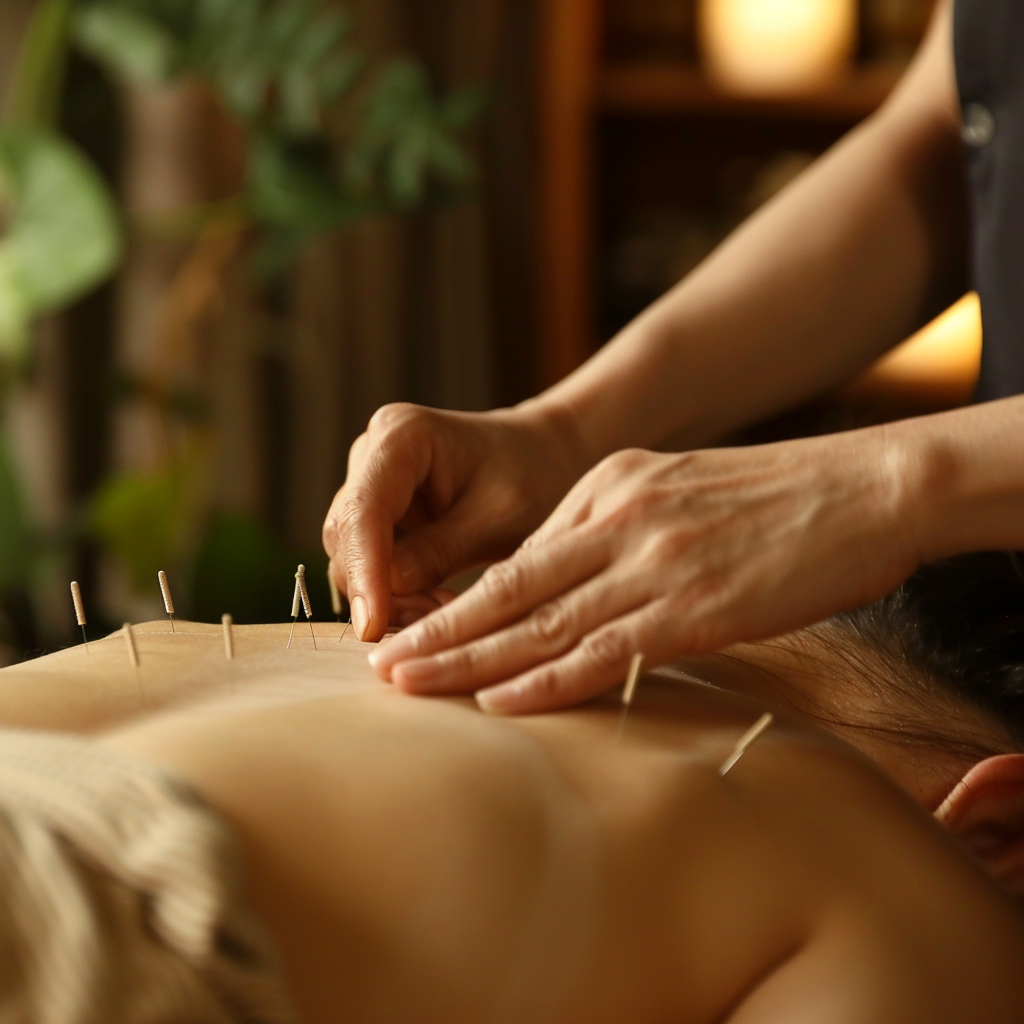
Although the technique of acupuncture has undergone various advancements and refinements over the centuries, its core principle remains unchanged: the insertion of ultra-thin, sterile needles into the skin at specific points. This traditional method is rooted in the belief that these specific points are critical junctures where Qi, the vital energy, can be accessed and manipulated to restore balance within the body.
The needles used in acupuncture are much finer than those used for injections or blood draws, making the procedure virtually painless for many. These needles are meticulously placed to target areas that will most effectively stimulate the body’s own healing response. Upon insertion, the needles might be gently twisted or electrically stimulated to enhance their therapeutic effects. This stimulation is key to activating the body’s various physiological mechanisms.
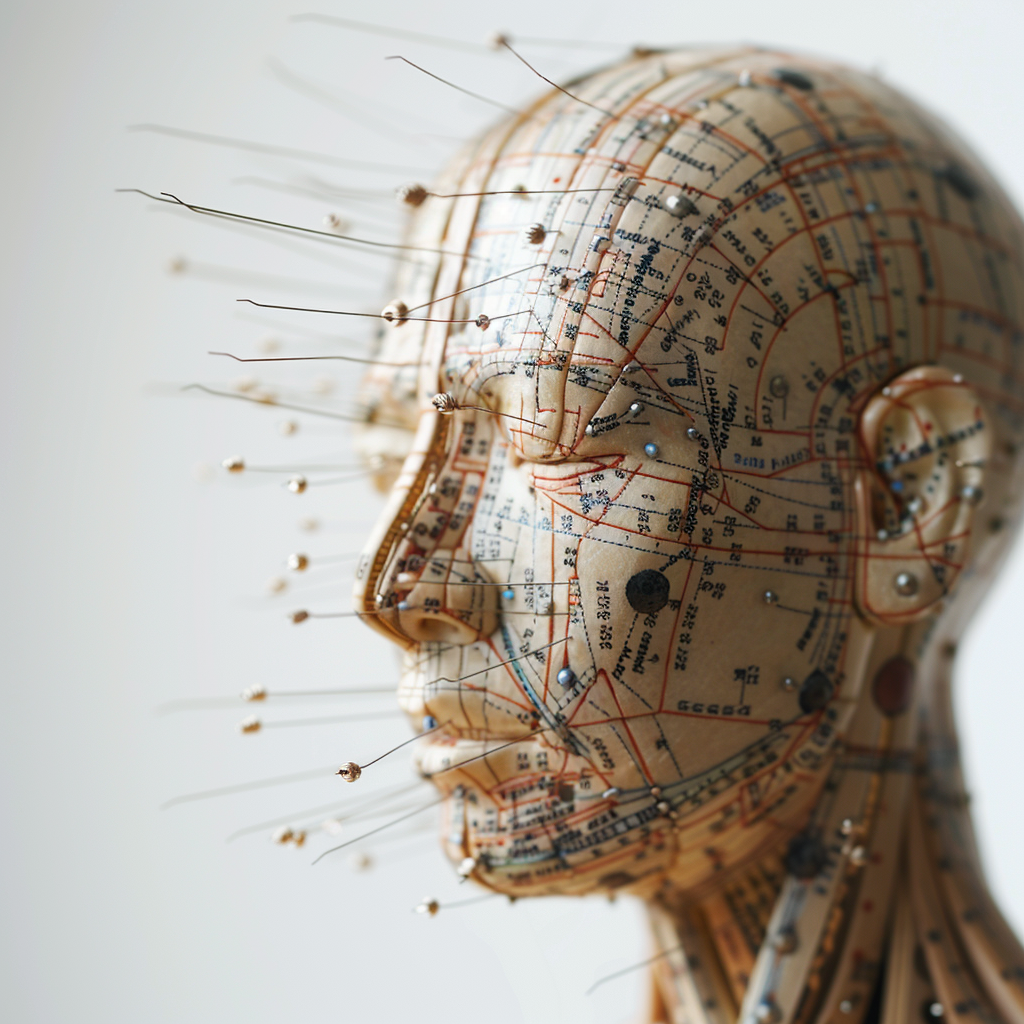
The specific points chosen for needle insertion are strategically located along the meridians identified in traditional Chinese medicine. Each point corresponds to specific organs, ailments, or bodily functions. The precise placement of needles is believed to release blocked Qi, thereby alleviating pain, enhancing overall wellness, and maintaining health. The practice is said to influence the nervous system, potentially releasing endorphins and other chemicals that can reduce pain and boost mood.
Acupuncture’s ability to target specific areas of the body contributes to its effectiveness in treating a wide range of conditions—from chronic pain and headaches to stress and insomnia. This approach allows practitioners to tailor treatments to the individual needs of each patient, addressing not only the symptoms but also the root causes of their ailments.
The evolution of acupuncture reflects both an adherence to its traditional roots and an incorporation of modern medical understanding, making it a unique bridge between ancient practices and contemporary health care.
Safety and Hygiene
Modern acupuncture places a strong emphasis on safety and hygiene, utilizing single-use, disposable needles to ensure that each session is not only effective but also extremely safe. This practice marks a significant advancement in the field, addressing potential concerns about the spread of infection and ensuring the highest standards of patient care.
Disposable needles are used only once and then discarded safely, eliminating any risk of transmitting infections between patients. This practice is aligned with global healthcare standards, which prioritize sterility and cleanliness to prevent any complications. Each needle is individually packaged and sterilized, guaranteeing that it is free from any contaminants before it touches the skin.
Moreover, acupuncturists are trained in proper needle disposal techniques and infection control measures. They follow strict protocols to handle and dispose of needles responsibly, further reducing any risks associated with the procedure. The practice areas are also maintained with high hygiene standards, ensuring that the environment where acupuncture is performed is as sterile as possible.
The introduction of these disposable needles and stringent sanitary practices has bolstered the public’s trust in acupuncture, making it a more appealing option for those who are cautious about the cleanliness of medical treatments. It reassures patients that acupuncture is not only a holistic and effective treatment option but also a safe one, with minimal risks of side effects.
This focus on safety enhances the therapeutic experience, allowing patients to relax and receive the benefits of acupuncture without concerns over health risks. It underscores the acupuncture community’s commitment to patient safety and aligns with modern medical practices, ensuring that acupuncture remains a respected and trusted approach within the broader healthcare spectrum.
Benefits of Acupuncture
Treating Chronic Pain
Acupuncture is highly regarded for its effectiveness in managing and treating various forms of pain. This traditional practice provides significant relief for conditions such as chronic back pain, arthritis, and migraines, among others. By offering a natural, drug-free alternative to pain relief, acupuncture presents an appealing option for those seeking less dependence on medication and its potential side effects.
The method involves the insertion of fine needles into specific points on the body, which are thought to be linked to pain pathways. This stimulation helps to block pain signals from reaching the brain, a process supported by the release of endorphins, the body’s natural painkillers. Acupuncture also aims to reduce inflammation and increase circulation, which are common sources of pain and discomfort.
For chronic back pain, acupuncture has been shown to be particularly effective. It targets muscle stiffness and tension, promoting relaxation and helping to restore mobility. Patients with arthritis also benefit from acupuncture, as it can diminish joint pain and improve function. This is particularly valuable for those with chronic conditions, providing a sustained method of pain management that enhances quality of life.
Moreover, the holistic approach of acupuncture means it does not merely address the physical symptoms of pain but also considers the emotional and psychological aspects. It encourages a balance of energy within the body, which can lead to improved overall well-being and stress reduction—factors that are often linked with chronic pain conditions.
Acupuncture’s reputation and popularity as a pain management solution continue to grow as more individuals experience its benefits and as its effectiveness becomes more recognized in scientific and medical communities. This growth is reflected in the increasing number of healthcare providers who recommend acupuncture as part of comprehensive pain management programs.
Acupuncture for Relaxation
Acupuncture extends its benefits well beyond the realm of physical pain relief, serving as a powerful tool for managing stress and anxiety. This traditional technique promotes a state of deep relaxation and enhances overall well-being by targeting specific points known to calm the nervous system.
The practice of acupuncture helps to balance the body’s biochemical responses to stress. It stimulates the release of neurotransmitters such as serotonin and dopamine, which play crucial roles in mood regulation. This can lead to a significant reduction in feelings of anxiety and stress, making it easier for individuals to manage their daily challenges and emotional responses.
The relaxing effect of acupuncture is often immediate, with many patients reporting a profound sense of peace and calm during and after treatment. This is attributed to the method’s ability to lower cortisol levels, the primary stress hormone, and improve the autonomic nervous system’s regulation, which oversees our fight-or-flight response.
Regular acupuncture sessions have been shown to help develop a natural resilience to stressors, making it a beneficial practice for those who lead high-pressure lives. By reducing the overall prevalence of stress and anxiety, acupuncture can prevent the associated physiological and psychological complications, such as chronic fatigue, depression, and anxiety disorders.
In a world where stress and anxiety are increasingly prevalent, acupuncture offers a serene refuge and a holistic approach to maintaining mental health. It empowers individuals to maintain a higher quality of life and supports their mental health in a natural, medication-free manner.
Special Cases
Modern Acupuncture Practices
Integration in Western Medicine
Insurance and Accessibility

The Acupuncture Experience
Initial Consultation
The first acupuncture session is crucial as it lays the foundation for a personalized treatment plan that is tailored to the individual’s specific needs. This initial appointment typically involves a thorough assessment of the patient’s symptoms, health history, and lifestyle, providing the acupuncturist with the comprehensive information needed to determine the most effective course of treatment.
During this initial consultation, the acupuncturist will ask detailed questions about the patient’s current health concerns, medical history, dietary habits, sleep patterns, emotional state, and other aspects of their lifestyle. This holistic approach to health evaluation is central to the principles of traditional Chinese medicine, which views the body and mind as interconnected systems that must be balanced and harmonized.
The acupuncturist may also perform a physical examination, which can include checking the pulse and observing the tongue, as these are considered important diagnostic tools in Chinese medicine that offer insights into the body’s condition and the state of Qi flow. These observations help the practitioner to identify any imbalances or disruptions in the flow of energy that could be contributing to the patient’s health issues.
Based on this comprehensive evaluation, the acupuncturist will develop a treatment strategy that specifically addresses the patient’s unique set of symptoms and overall health. This personalized approach not only targets the symptoms but also addresses the root cause of the health issues, aiming to restore balance and wellness to the body and mind.
The initial session sets the stage for subsequent treatments and is essential for building a rapport between the patient and practitioner, ensuring that the acupuncture treatments are both effective and tailored to the patient’s specific health needs. This personalized care is a hallmark of acupuncture and is key to its success as a therapeutic practice.
During the Session
Treatment Plans
Acupuncture treatment plans are carefully tailored to meet the individual needs of each patient, taking into account the severity and nature of their condition. The customization of these plans is a fundamental aspect of acupuncture’s approach to health and healing, ensuring that each patient receives the most effective treatment for their specific circumstances.
For many health issues, especially those that are chronic or particularly severe, a treatment plan might involve multiple sessions spread over several weeks or even months. This extended approach allows the acupuncturist to monitor the patient’s progress and make adjustments as necessary, optimizing the outcome of the therapy.
The frequency and number of sessions required can vary widely based on the patient’s response to treatment and the goals set by both the patient and the practitioner. Some conditions may see significant improvement within just a few sessions, while others, such as chronic pain or long-standing health issues, may require a more prolonged course of treatment to achieve the best results.
During the initial consultation, the acupuncturist will propose a treatment plan that outlines the expected number of sessions along with their frequency. This plan is not static; it is reviewed periodically to reflect any changes in the patient’s condition or response to treatment. Adjustments to the plan, such as increasing or decreasing the frequency of sessions or continuing treatment for an extended period, are made in consultation with the patient.
Moreover, acupuncture treatment plans often include lifestyle and dietary advice, as traditional Chinese medicine views these elements as integral to overall health and well-being. By addressing these aspects, the acupuncturist aims to enhance the effectiveness of the acupuncture treatments and promote a healthier, more balanced lifestyle for the patient.
Overall, the goal of a treatment plan in acupuncture is not only to alleviate symptoms but also to address the root causes of the condition, ultimately leading to a sustained improvement in health and quality of life.

Who Should Consider Acupuncture
Conclusions
Acupuncture offers a holistic approach to health, providing benefits across a wide range of physical and mental conditions. Whether you are dealing with chronic pain, looking for stress relief, or seeking a natural approach to managing complex health issues, acupuncture may offer the support you need.
If you are interested in exploring how acupuncture can benefit you specifically, we encourage you to contact Dr. Cecilia Rusnak at AcuMedGroup Wellness Center. Dr. Rusnak and her team are dedicated to providing personalized care that addresses your unique health needs in a supportive and healing environment.
Contact Dr. Cecilia Rusnak today to learn more about the benefits of acupuncture and to schedule an in-person consultation. Take the first step towards a balanced and healthier life by exploring this time-tested and effective treatment option.
Embark on your journey to wellness with expert guidance and personalized care at AcuMedGroup Wellness Center.